Statement: US-Israel War on Iran is Having Devastating Impact on Agriculture in Global South
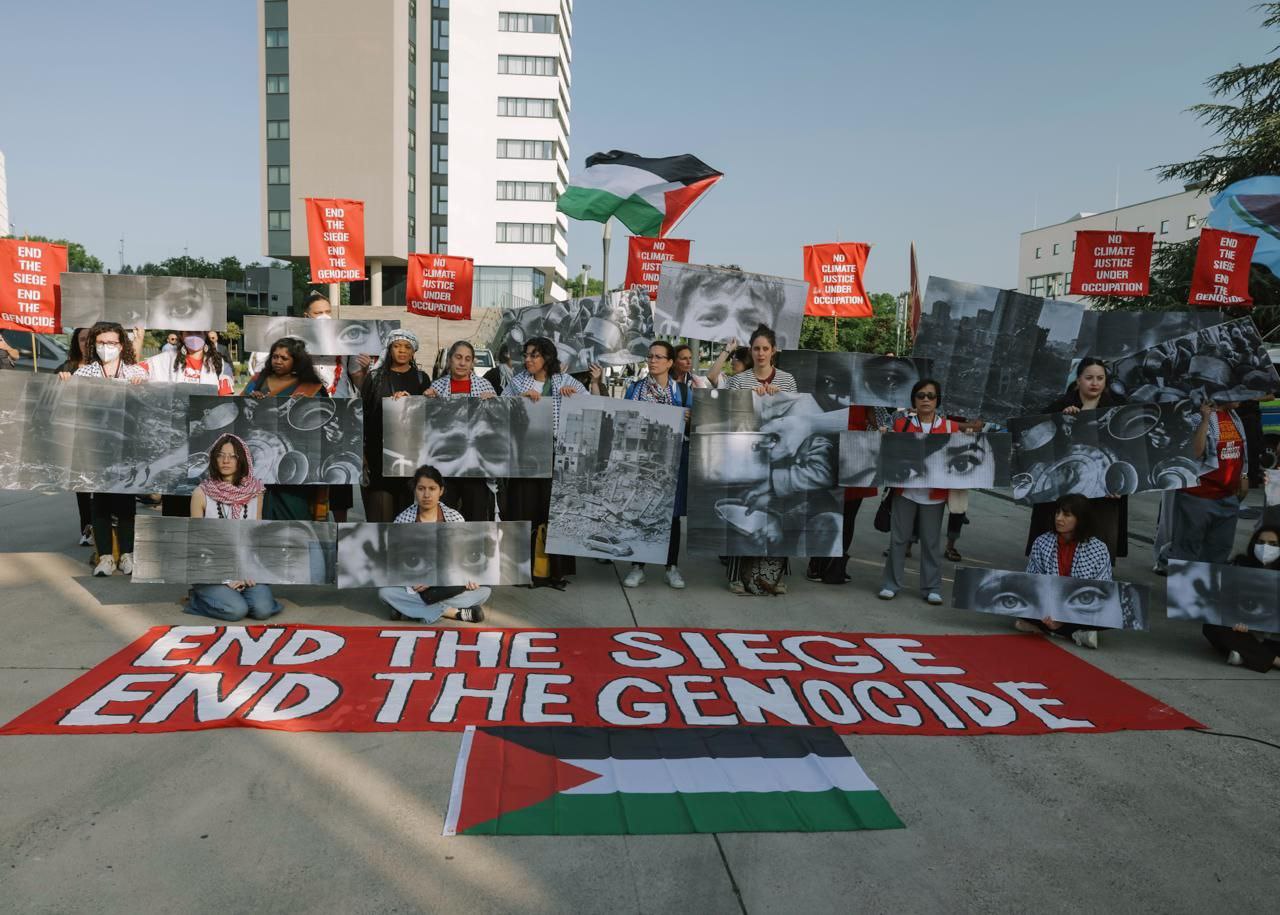
We reject the US-Israel War on Iran. We stand in solidarity with all those fighting back against the US’ escalating aggression – unnecessary, avoidable, and already unleashing profound destruction in global energy and food systems.
As fertilizer and energy prices surge, smallholder food producers bear the brunt of skyrocketing production costs, while large industrial agriculture corporations are positioned to capture windfall profits. This crisis has once again demonstrated that industrial agriculture is unable to reliably feed the world, echoing the disruptions seen in the aftermath of the COVID-19 pandemic. Industrial agriculture – marked by fossil fuel-based synthetic fertilizers, import-dependence, export-orientation, deforestation driven global commodity chains – is fundamentally ill-equipped to cope with the recurrent shocks that now define our global reality.
At the same time, the environmental costs of this system are becoming impossible to ignore. The widespread use of synthetic fertilizers drives ecosystem degradation, contaminates waterways, fuels harmful algal blooms, harms wildlife, creates dead zones in aquatic ecosystems, and contributes to soil degradation and biodiversity loss. Fertilizers are also responsible for some of the most dangerous agricultural emissions, releasing potent greenhouse gases such as nitrous oxide and methane.
Far from enhancing resilience, fertilizer-dependent industrial agriculture is actively undermining the ecological foundations on which food security depends. Fertilizers don’t feed people; they sustain an extractivist approach to food production where nearly half of the world’s grain, instead of feeding millions of hungry mouths in the Global South, is diverted to animal feed, propping up global industrial livestock production.
The current crisis is a long-overdue indictment of the very foundations on which food economies are built, and a critical opportunity for transformation. What we are facing is no longer simply a matter of urgency. It is a question of survival. The continued reliance on fertilizer-intensive industrial agriculture is neither sustainable nor resilient.
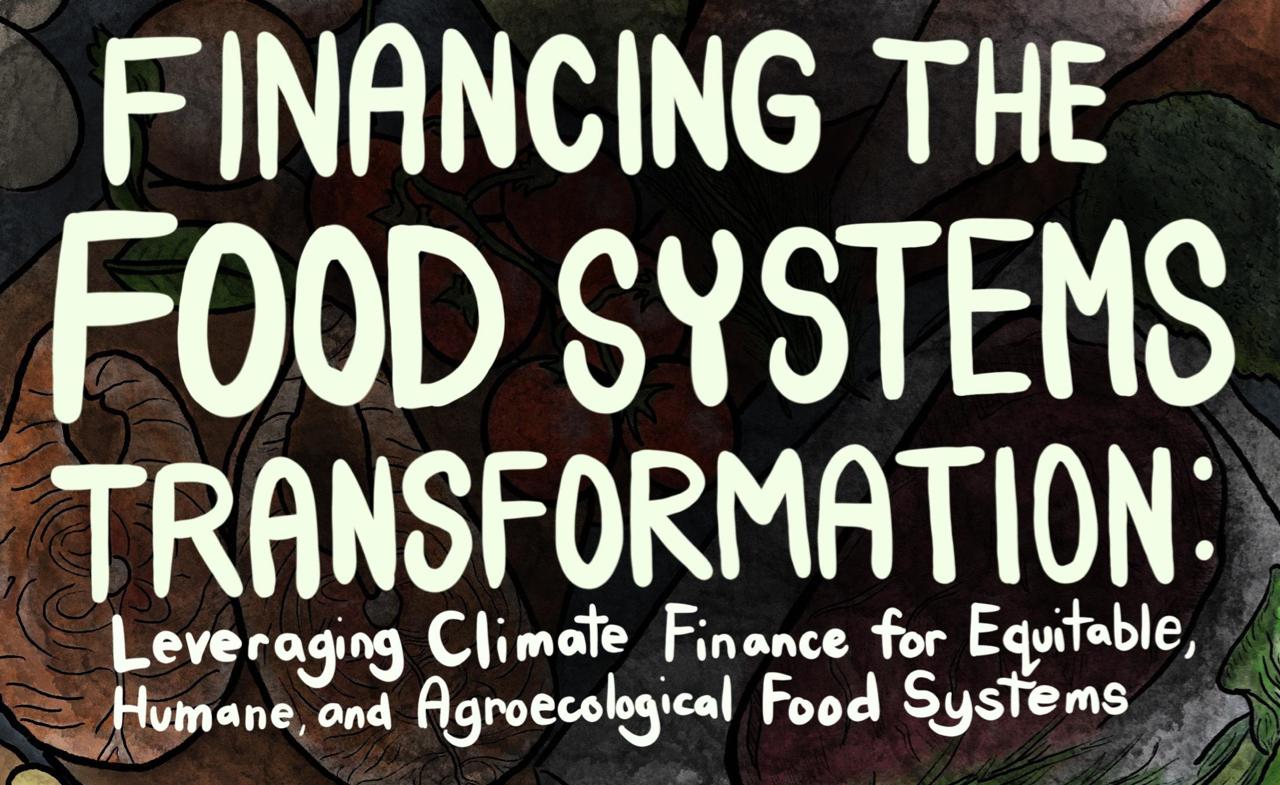
We must urgently phase out this model and transition toward equitable, humane and agroecological food systems, an approach based on food, land, and water recognised as fundamental rights–not mere commodities- that puts people, animals and our environment at the center. It can restore ecosystem health, reduce dependence on fossil-based inputs, and build resilient and locally adapted food systems. Only by making this shift can we secure true food security through food sovereignty and ensure that nutritious, affordable food remains accessible to all.