COP31 Position Paper: Advancing Climate Justice in an Age of Crises
Climate Justice in an Age of Collapsing Glaciers, Ongoing Genocide and Rampant Militarism
COP31 (the 31st Conference of the Parties to the United Nations Framework Convention on Climate Change (UNFCCC), from November 8-20, 2026 in Antalya, Turkiye) calls attention to countries’ commitments for implementing the 2015 Paris Agreement. As collapsing glaciers unleash unfathomable flooding as seen now in Nepal, and imperialist aggression accelerates the global scramble to secure supplies of energy and critical minerals (all amid AI’s hyperscaled infrastructure build-out), climate justice advocates focus on the powerful actors’ avoiding any accountability for their legal commitments while we push forward our own proposals for fairness in implementation. If Antalya is to be about implementation and delivering on countries’ commitments, then we need to see Global North governments come clean on their unfulfilled legal obligations under the Paris Agreement’s Article 9.1, in which they agreed they “shall provide financial resources to assist developing countries”.
DCJ stands in solidarity with Palestine and with the peoples across the world who have been on the receiving end of imperial wars, invasions, attacks to their sovereignty and their right to self-determination. We condemn the subjection of civilians to warfare for territory, natural resources, or religious conflict anywhere and everywhere. We stand in strong opposition to the perpetuation of human and environmental suffering across the world. We commit to a solidarity not based in words but in actions. There cannot be emancipation and liberation with ongoing imperial and colonial capitalism, which must be our first priority to dismantle.
This context matters because climate negotiations are not politically neutral spaces. They are shaped by the same global inequalities that produced the crisis. The countries and corporations most responsible for climate breakdown continue to hold disproportionate power over the terms of climate action, while the peoples and communities most affected continue to fight for their rights and justice. Every major issue on the agenda for COP31, from climate finance, adaptation, loss and damage to just transition, fossil fuel phase-out, mitigation and false solutions, reflects a broader struggle over rights, responsibility, redistribution and the future of multilateralism.
Is Nepal’s nightmare the new abnormal?
We’ve been warned of Glacier Lake Outburst Floods (GLOFs) rates rising in both frequency and intensity along with today’s warmer temperatures and thawing permafrost. Now almost 1,500 Nepalese were killed, over 5,000 still missing and 15,000 rescued. Nepal has suffered one of the worst disasters in its recent history. Yet as the planet continues to warm, communities across the Himalayas face the threat of even more devastating catastrophes. That is, unless we urgently end fossil fuels expansion, rapidly reduce their use and quickly adapt while transitioning to new equitable economic systems aligned with natural limits. Until then, we must build more readiness among international institutions’ to responsibly avoid such catastrophes, let alone respond to and recover from more of them.
Nepal’s disaster shows us that the Paris Agreement Finance Mechanism (including the new Fund for Responding to Loss and Damage, Adaptation Fund and Green Climate Fund) are currently failing front line communities and entire countries across the Global South who are at the frontline of this crisis that did not create and often pushing them further into debt.
A concept note for a project to protect communities in Nepal from GLOFs was submitted to the Green Climate Fund (GCF) in February 2018. The $36 million project was approved in July 2025, only seven years later, and commenced in March 2026. While the area struck by the August 2026 disaster is not included in the project, the slow approval process raises serious questions about the capacity of international climate finance to respond quickly to known and growing risks. Frontline communities need resources, safer infrastructure and early warning systems to prepare for disaster. They need the money while there is still time to prevent the loss of lives, livelihoods, culture, ways of living, and not after the damage has been done.
Across the world, not only now in Nepal, communities are confronting escalating climate impacts alongside deepening militarisation, debt crises, economic instability, shrinking civic space, rising authoritarianism and the continued concentration of wealth and power in the hands of a small number of states, corporations and financial actors. The climate crisis is unfolding not in isolation, but resulting from a global political order structured by histories and ongoing acts of colonisation, imperialism, racial capitalism, patriarchy, extractivism and the continued sacrifice of peoples and ecosystems in the pursuit of profit for a few.
Growing Militarism vs Climate Justice
The ongoing genocide in Palestine, carried out by Israel with the military, political and economic backing of the United States and its allies, has laid bare the brutality and hypocrisy of the present international order. The destruction of Palestinian life, land, food systems, water infrastructure, energy systems, homes, hospitals, schools and places of worship is not only a humanitarian catastrophe. It is also a profound indictment of an international system that claims to uphold human rights, international law and multilateral cooperation while enabling impunity for occupation, apartheid and genocide. For climate justice movements, this moment demands political clarity that there can be no climate justice while genocide is normalised, while occupation is greenwashed, and while current economic systems driven by militarism and fossil fueled capitalism continue to destroy both peoples and ecosystems.
The relationship between militarism and the climate crisis is not incidental. Fossil fuels remain central to modern military power, geopolitical conflicts and domination, and global economic control. Military operations depend on oil, gas and petrochemical supply chains; fossil fuel revenues and infrastructure shape conflicts and geopolitical alliances; and the military-industrial complex absorbs vast public resources that could otherwise be directed towards climate finance, adaptation, public services and just transition. At the same time, war and occupation destroy the very ecosystems that communities need to survive climate impacts: land, water, food, healthcare, housing, energy and social infrastructure.
The Global South continues to bear the brunt of this injustice. Countries and communities that contributed least to the climate crisis are facing the most severe impacts while being denied the resources necessary to respond. Many developing countries are trapped in cycles of debt servicing, austerity and extractive dependency that restrict their ability to invest in adaptation, public services, food sovereignty, energy transition and resilient development. International financial institutions, unequal trade rules, intellectual property barriers and investor protections continue to constrain the policy space required for an ambitious climate action. In this context, calls for ambition that do not address finance, debt, technology and historical responsibility only become new forms of shifting burden.
Real risks to Belem’s breakthroughs
COP30 in Belém created important openings, but it did not resolve these contradictions. The agreement to establish the Just Transition Mechanism (Belém Antalya Mechanism) represented a significant victory for developing countries, workers, Indigenous Peoples, feminist movements, youth, frontline communities and climate justice organisations. It reflected years of organising to ensure that transition is not reduced to market-led technological substitution but understood as a question of justice, rights, livelihoods and systems change. The roadmap process on transitioning away from fossil fuels also opened a political space to confront the root cause of the climate crisis. Progress on adaptation and related implementation processes created additional possibilities for advancing rights-based and peoples-centred climate action.
Yet COP30 also demonstrated the continued resistance of developed countries to fulfilling their obligations. Article 9.1 of the Paris Agreement, in which developed countries agreed that they “shall provide climate finance” to developing countries, continued to be contested and diluted. Adaptation and loss and damage remained underfunded. Fossil fuel interests and false solutions perpetrators continued to shape climate action. Carbon markets, offsets, carbon capture, financialised nature schemes and other mechanisms continued to be promoted as substitutes for real emissions reductions, public finance and system change.
The outcomes of Belém therefore created both opportunities and risks. COP31 in Antalya is where many of these political battles now move from recognition to operationalisation. This distinction is critical. The fight after Belém is no longer only about whether Parties acknowledge the need for climate finance, just transition, adaptation, loss and damage or fossil fuel phase-out. It is about how those commitments are interpreted, governed, financed and implemented.
Collapsing glaciers causing massive floods downstream now mark a new moment in today’s climate crisis, where treatment by international institutions of the impacted communities fighting for their own survival signals uncertain prospects for forthcoming climate finance. History shows that implementation is often where justice is diluted. Commitments secured through struggle can be narrowed through technical processes, weakened through procedural delays, captured by corporate interests or redirected towards market mechanisms. COP31 must therefore be approached as a political battleground over the future direction of climate action.
DCJ’s Topline Demands for COP31
DCJ demands for COP31 are rooted in our clear understanding of climate justice:
- Developed countries must fulfil their obligations under Article 9.1 and provide public, grant-based, predictable and adequate finance to developing countries.
- Adaptation & loss and damage must be financed as matters of rights and reparative justice.
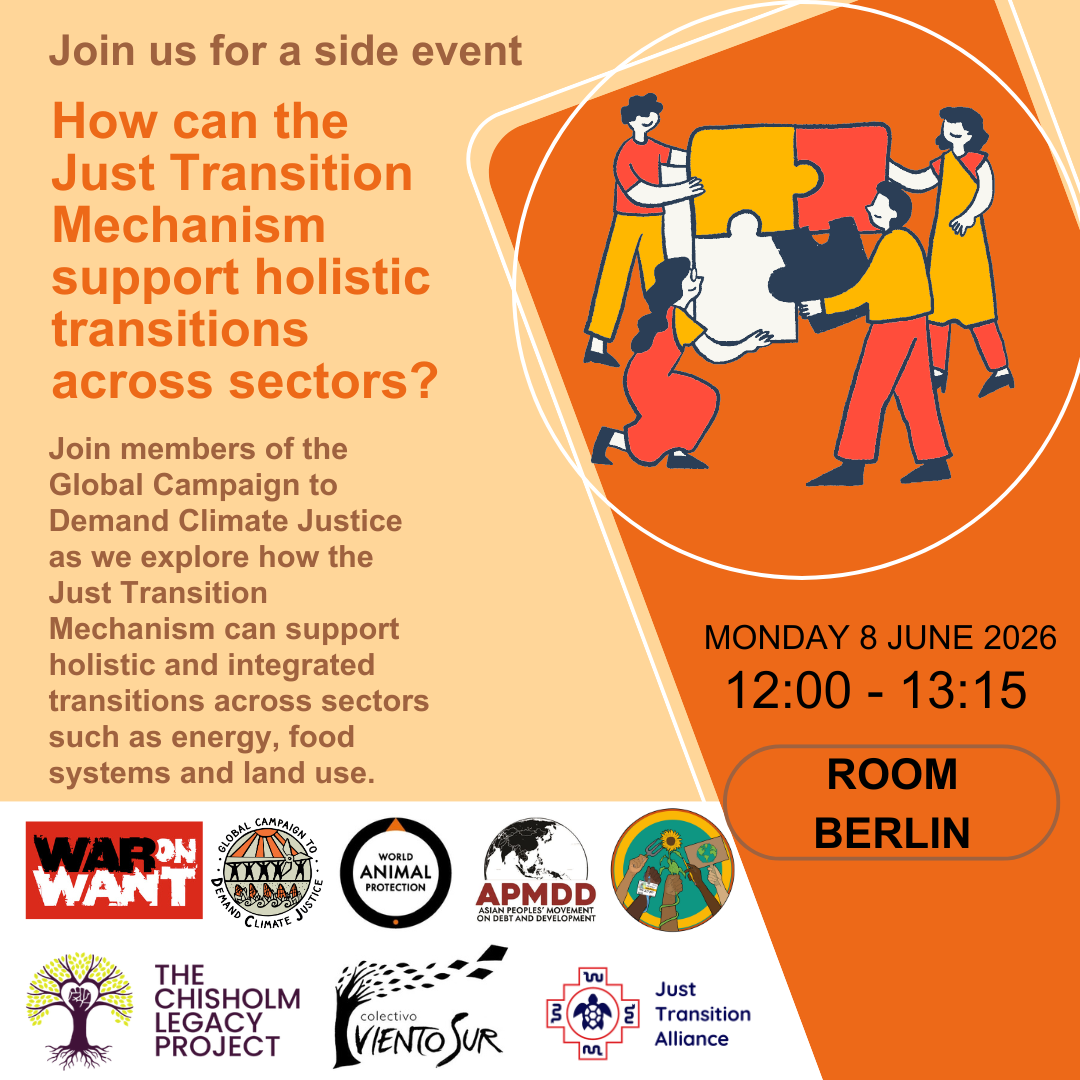
- Just Transition Mechanism (Belem-Antalya Mechanism or BAM) must be operationalised in ways that support systemic transformation across energy, food, care, labour, public services, critical minerals and development pathways.
- Transitions away from fossil fuels must be rapid, equitable, anti-extractivist and grounded in the political vision emerging from Santa Marta.
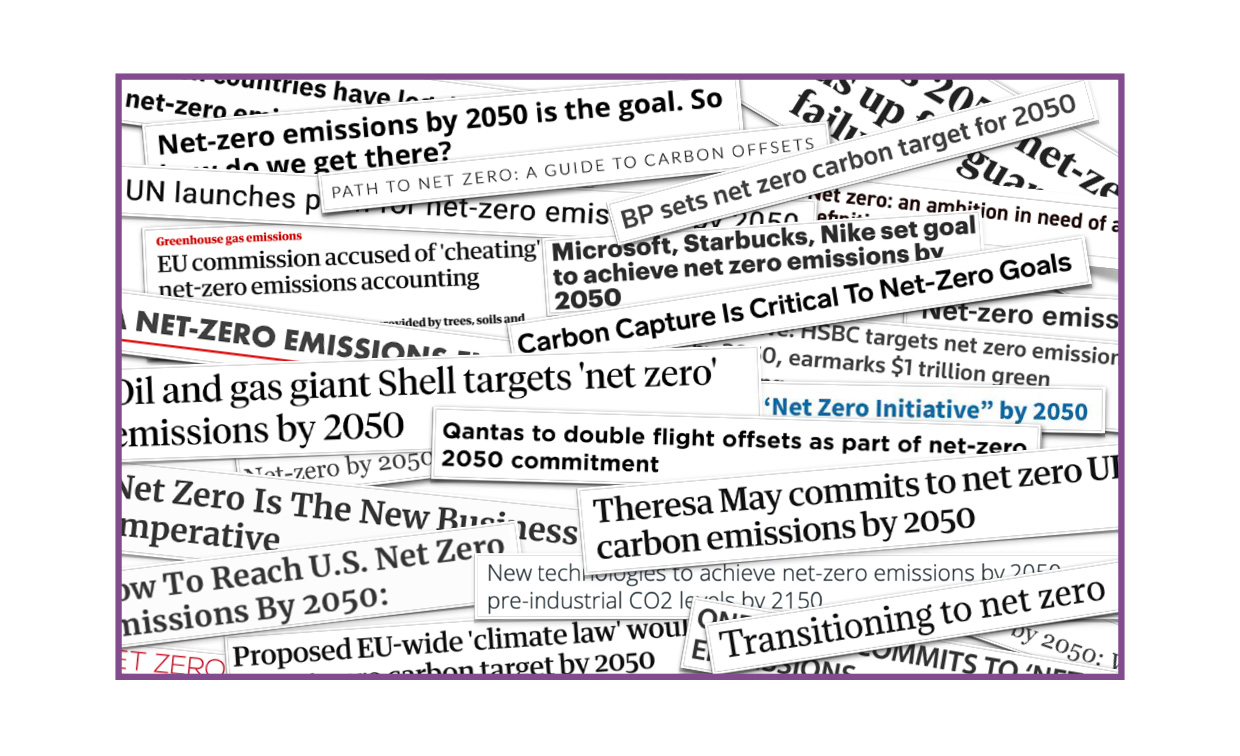
- Article 6 and other false solutions must not be allowed to delay real action or create new markets for pollution and dispossession.
- Mitigation must remain anchored in equity, CBDR-RC and means of implementation rather than becoming another tool for shifting burdens onto developing countries.
COP31 must also defend the integrity of climate multilateralism itself by:
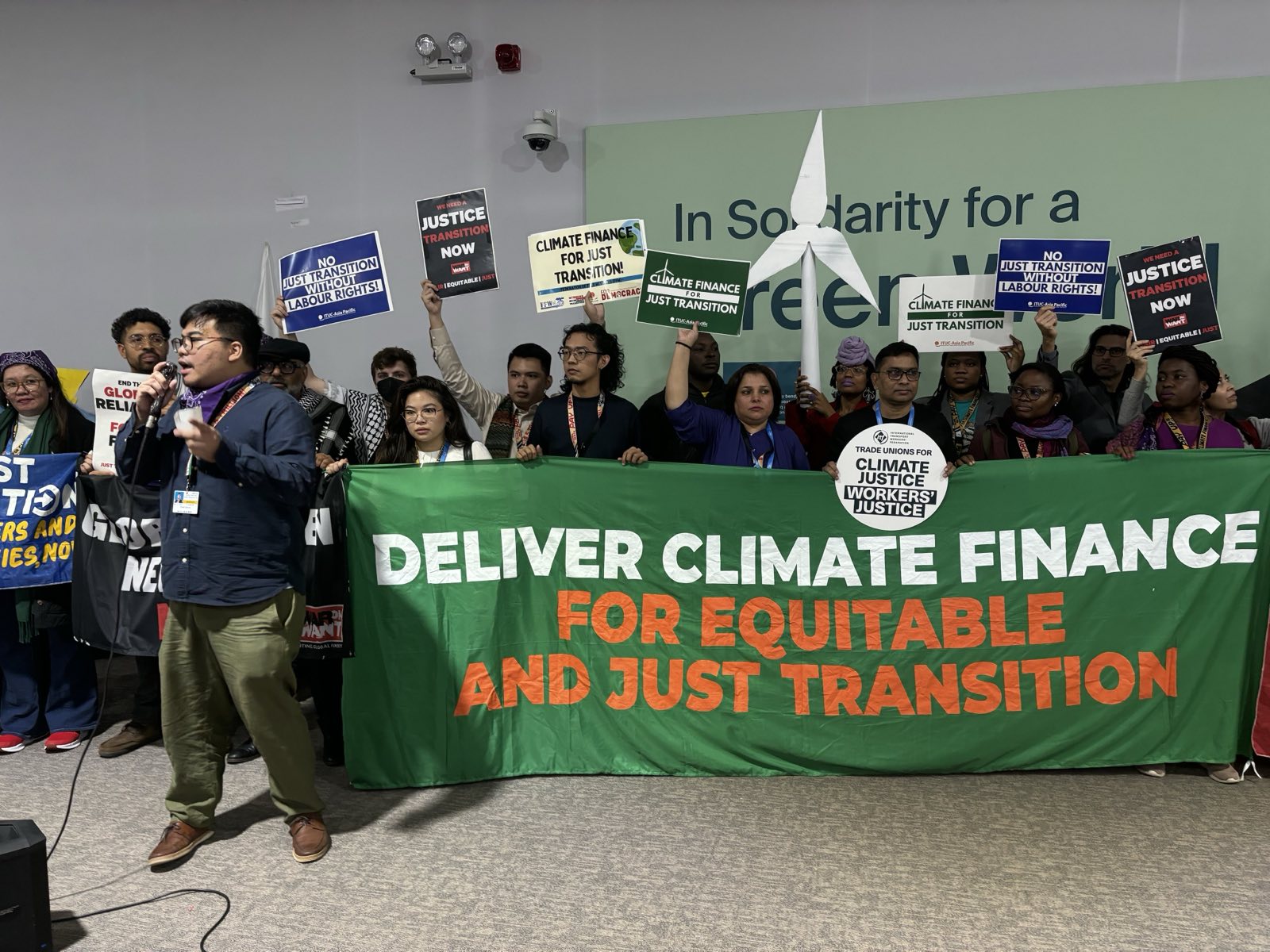
- protecting civic space, ensuring meaningful participation of rights-holders and movements, and confronting corporate capture within the UNFCCC
- recognising that fossil fuel corporations, big polluters and actors cannot be allowed to define climate solutions or climate action;
- understanding that climate governance will lose legitimacy if it continues to treat demands of the peoples most affected as negotiable while protecting interests of people most responsible.
The climate crisis is often described as a crisis of emissions. It is that, but it is also far more. It is a crisis of colonial history, economic organisation, political power and moral accountability. Addressing it requires more than technical implementation. It requires reparations, redistribution, democratic participation, public finance, energy sovereignty, food sovereignty, gender justice, Indigenous sovereignty and the dismantling of the systems that have made both people and planet expendable.
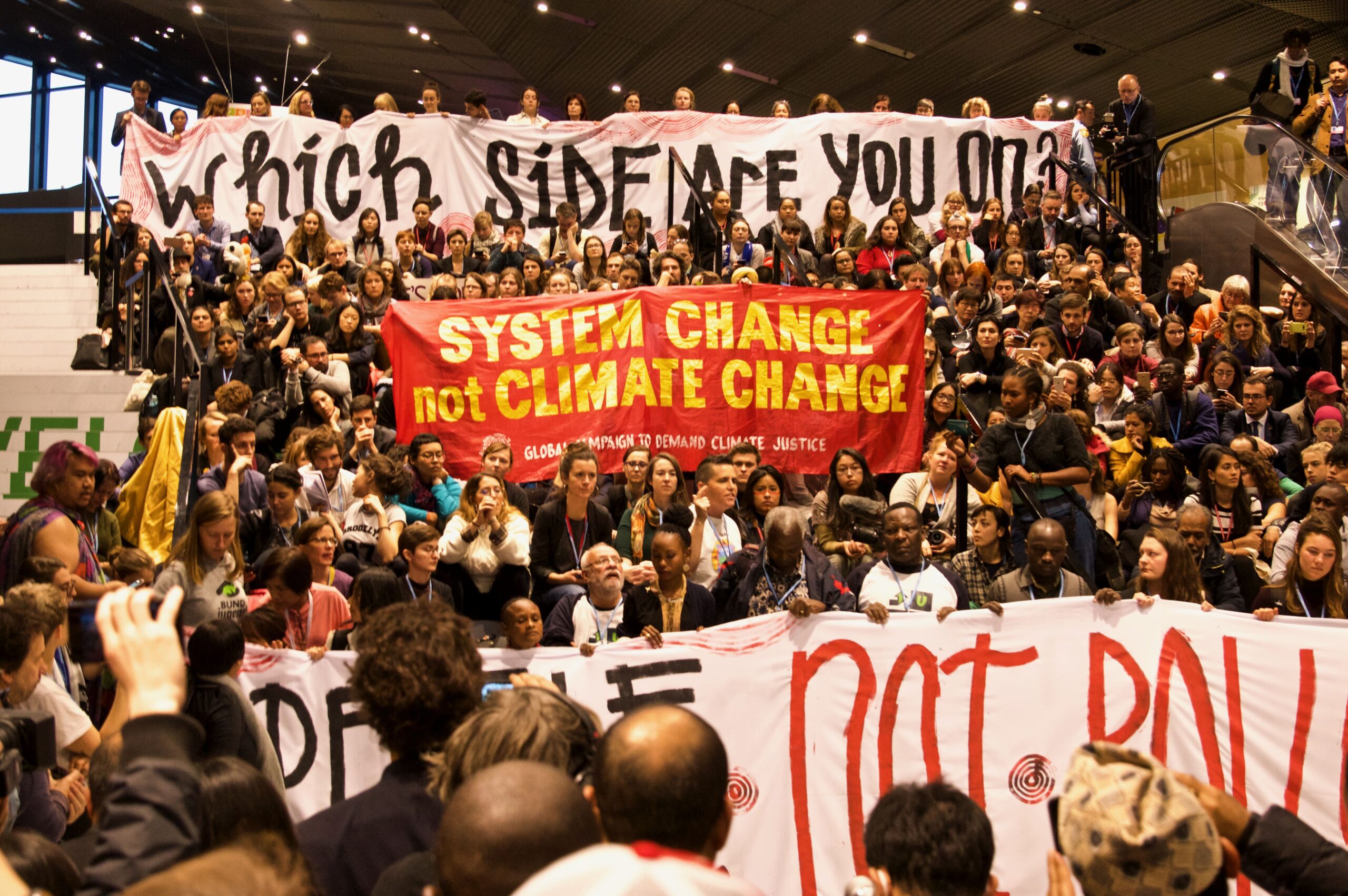
This position paper sets out DCJ’s priorities for COP31 from that perspective. It is written in the understanding that climate justice will not be delivered through incremental adjustments to an unjust system. It will require confronting the structures that created the crisis and building pathways rooted in collective resistance and survival, feminist care, dignity and liberation. Systems change, not climate change.
Read the full position paper with detailed analysis and demands for all key negotiating topics here. You can also download it below