COP31 must deliver: Developed countries must honour their climate finance obligations, not make more empty promises
Keeping the goal of limiting global warming to 1.5°C within reach requires developed countries to lead on emissions reductions and provide public climate finance without shifting the burden onto developing countries.
9 October 2026
The conclusion of Pre-COP31, held in Fiji and Tuvalu ahead of November’s UN climate summit in Antalya, Türkiye, has underscored the need for governments to move beyond promises and deliver concrete action, particularly on public climate finance for developing countries.
Keeping the 1.5°C goal within reach requires both urgent emissions reductions and the finance developing countries need to confront worsening climate impacts. Developed countries must lead on both, in keeping with their historical responsibility and obligations under the Paris Agreement.
The climate crisis is already exacting an intolerable cost. The recent devastating floods and landslides in Nepal are another stark reminder of the growing risks facing countries that have contributed least to global warming. Yet access to adaptation and loss-and-damage finance remains far too slow and far too small. Developing countries need climate finance on the scale of trillions, not billions, without being pushed further into debt to address a crisis they did little to cause.
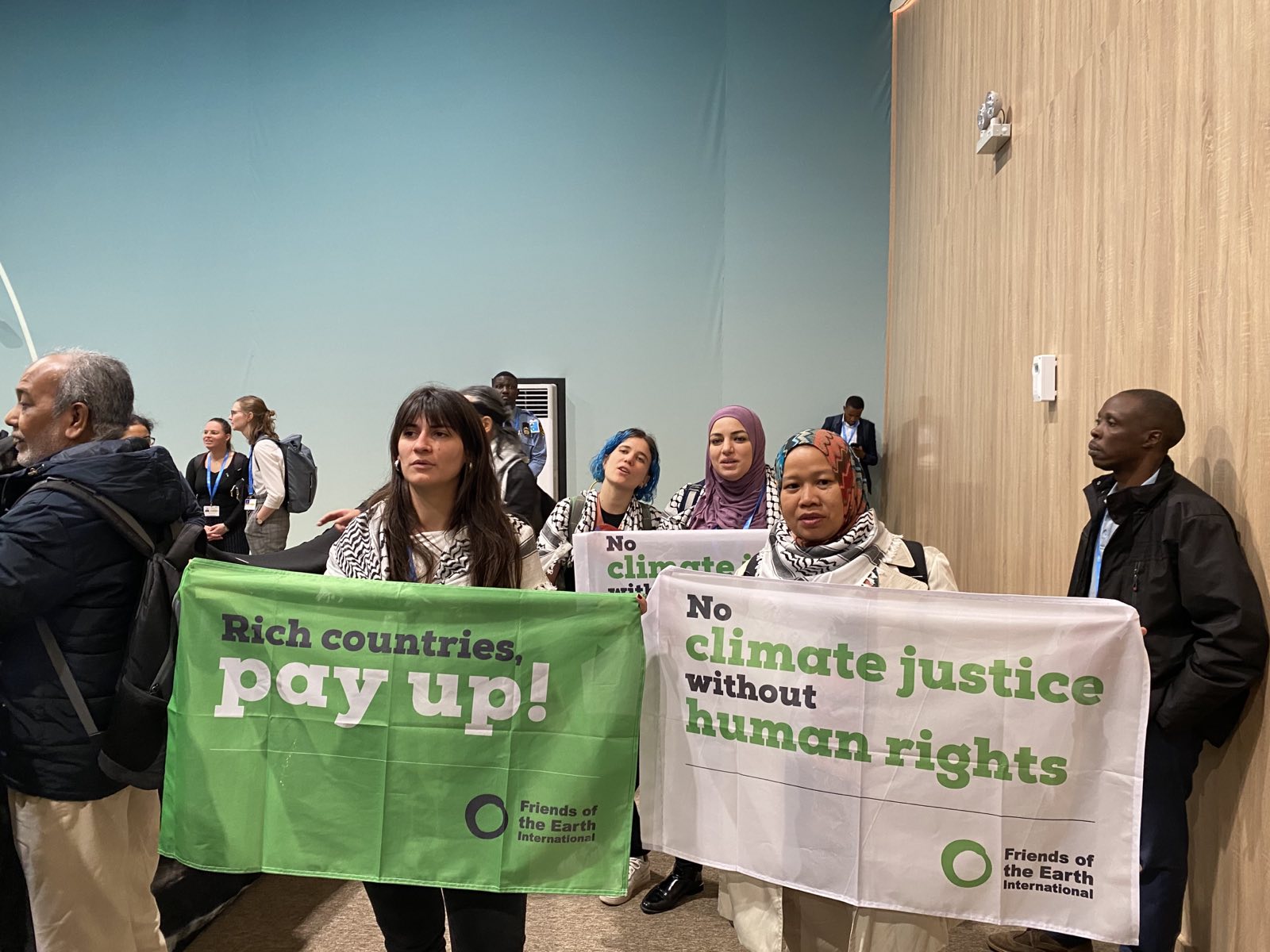
There can be no implementation without the means of implementation. If COP31 is to be about implementation, developed countries must first deliver on their existing climate-finance obligations. Under Article 9.1 of the Paris Agreement, developed countries are required to provide financial resources to support mitigation and adaptation in developing countries. DCJ calls for new and additional, adequate, predictable and accessible public finance for developing countries, with grant-based and non-debt-creating finance at its core.
Mobilising private investment, promoting new financing schemes or improving access to existing finance cannot substitute for the obligation to provide public finance. Asking developing countries to borrow to adapt, recover and rebuild simply transfers the costs of the climate crisis onto their people and future generations.
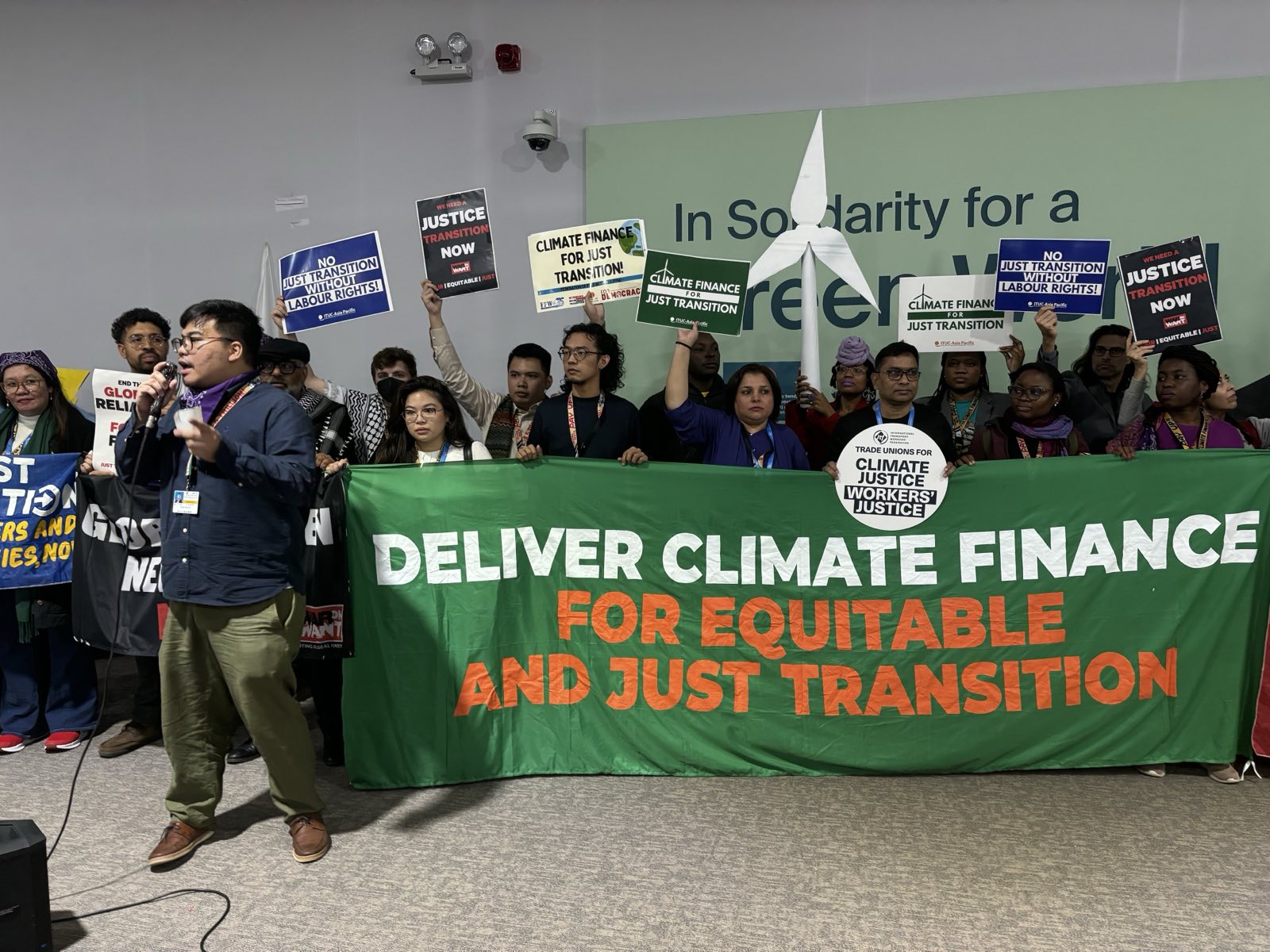
COP31 must also deliver on the Just Transition Mechanism agreed at COP30. This mechanism must move beyond dialogue and coordination to provide real support for communities, particularly in developing countries. This requires strong governance, accountability, meaningful participation and access to finance, technology and capacity building.
The dialogue around 1.5°C and possible temperature overshoot must also remain grounded in both science and equity. Overshoot cannot become an excuse to promote false solutions such as carbon dioxide removal (CDR), carbon capture and storage (CCS), and geoengineering that delay real emissions cuts and shift risks onto peoples, lands and ecosystems in the Global South.
The task before COP31 is to turn climate urgency into delivery. COP31 cannot become another talk shop of voluntary pledges and unfulfilled commitments. Developed countries must demonstrate real ambition through deeper emission cuts and the provision of public climate finance to all developing countries. Climate action and support must move together.
………………………..
Reacting to the conclusion of Pre-COP31, representatives of DCJ and member organisations said:
Meena Raman, Head of Programmes, Third World Network (TWN), said: “The climate crisis is not suffering from a shortage of promises. What is missing is delivery, especially climate finance at the scale the crisis demands. Developed countries have a clear obligation under the Paris Agreement to provide new and additional, adequate, predictable and grant-based public finance to developing countries. This is a responsibility they must fulfil, not one they can pass on to private investors or shift onto developing countries through loans and debt. If COP31 is serious about keeping 1.5°C within reach, it must put the provision of public finance, equity and historical responsibility at the centre of its outcomes. Developed countries must stop evading their obligations. They cannot claim to champion high climate ambition while delivering so little on both finance and emissions reductions.”
Lidy Nacpil, Coordinator, Asian Peoples’ Movement on Debt and Development (APMDD), said: “Workers and communities, especially in the Global South, welcomed and celebrated the COP30 decision to develop a just transition mechanism — or BAM — which has the promise of delivering real support and action for just transition on the ground. However, at Pre-COP, governments of the Global North have once again exposed their determination to pour cold water over this promise by limiting what a mechanism can do and delaying the process of its operationalisation. We demand a just transition mechanism that provides and facilitates the support and means of implementation needed for just transition, ensures seats at the decision-making table for rights-holders, and is fully operational by COP32.”
Rachitaa Gupta, Global Coordinator, DCJ, said: “The climate crisis is not waiting for finance processes to catch up. From Nepal to the Pacific, communities that did least to cause this crisis are losing lives, homes and livelihoods while rich countries continue to delay the finance they owe. COP31 must be where that changes. The Global North must deliver public, grant-based and non-debt-creating climate finance not as aid or charity, but as the fulfilment of its obligations and ensure that the Just Transition Mechanism delivers real support to people and communities on the ground.”
Tzeporah Berman, Chair and Founder of the Fossil Fuel Treaty Initiative, said: “This week, the Pacific has shown world leaders what is at stake. Keeping 1.5°C alive means stopping the expansion of fossil fuels and accelerating a fair, orderly and supported transition away from them. The growing support for fossil fuel phase-out must now translate into action at COP31 and beyond, including through the diplomatic process which began in Santa Marta and will continue next year under the leadership of Tuvalu and Ireland.”
Victor Menotti, Global North Coordinator, DCJ, said: “If Antalya is to be about implementation and delivering on countries’ commitments, then we need to see Global North governments come clean on their unfulfilled legal obligations under Paris Agreement’s Article 9.1, in which they agreed they “shall provide financial resources to assist developing countries”. Parachuting an electrification agreement into any official decision driven by COP31 Presidencies would clearly be a coup for the Global North’s Big Tech agend and any COP Presidency pushing its own initiatives will face due opposition by demands for party-driven processes to prevail as well as a fierce credibility crisis among civil society groups.”
Media enquiries and updates
For media enquiries, interviews and further information, contact the Global Campaign to Demand Climate Justice (DCJ) at [email protected].
For the latest statements, analysis and updates from COP31, visit https://demandclimatejustice.org and follow DCJ on social media:
X (Twitter): https://x.com/gcdcj
Instagram: https://www.instagram.com/gc.dcj/
LinkedIn: https://www.linkedin.com/company/global-campaign-to-demand-climate-justice
Facebook: https://www.facebook.com/ClimateJustice