SB64 Intervention- AIM cross-constituency intervention
The following statement was delivered during the Arrangement for Intergovernmental (AIM) negotiations on June 9 2026 on behalf of the ENGO, YOUNGO, TUNGO and WGC constituencies during the 64th meeting of the Subsidiary Bodies (SB64) of the United Nations Framework Convention on Climate Change (UNFCCC):
Dear Delegates,
I am Nada Elbohi and I am speaking on behalf of YOUNGO, TUNGO, WGC and ENGO. Given the current geopolitical realities it is essential to recognise that the UNFCCC process must be strengthened to respond to growing geopolitical, financial, institutional pressures as well as the ambition and implementation gap, and the accelerating impacts of the climate crisis.
I am honestly asking everyone in this room: Do you believe this system as it currently operates can deliver on its goals agreed upon in the Convention, and the Paris Agreement? We need to talk about reforms of the UNFCCC to make it more effective, inclusive, and accountable. A dynamic process that improves the institutional framework, adapts to new tasks and addresses the insufficiencies of the process, especially as it pertains to upholding the principles of the convention in process and outcomes. These goals are not just aspirations, they are legal obligations as affirmed by the ICJ. We have to adapt and improve this process to make sure multilateralism can achieve its targets by strengthening effectiveness, implementation capacity, institutional coherence, procedural accountability, and equitable participation. To truly realize such reforms, dedicated space and time is needed.
We would like to reiterate our longstanding demands towards creating a UNFCCC that responds to these needs. In addition, for this year’s AIM, we have the following priorities:
First, we urge zero-tolerance to intimidation, harassment, violence, and reprisals against environmental human rights defenders and observers participating in UNFCCC processes through a comprehensive approach to deal with such instances which are becoming increasingly common. This must include a dedicated UNFCCC focal point to monitor incidents, collect relevant data, and support accountability and redressal is needed.
Second, building on the important step of establishing an informal observer group for persons with disabilities, we support establishing a formal UNFCCC Observer Constituency for Persons with Disabilities and consider the need for additional constituencies representing rights holders groups.
Third, we demand a unified, simple, equitable, digital visa system with guaranteed approval within one week for all accredited participants to UNFCCC meetings, to ensure equitable participation and avoid visa discrimination.
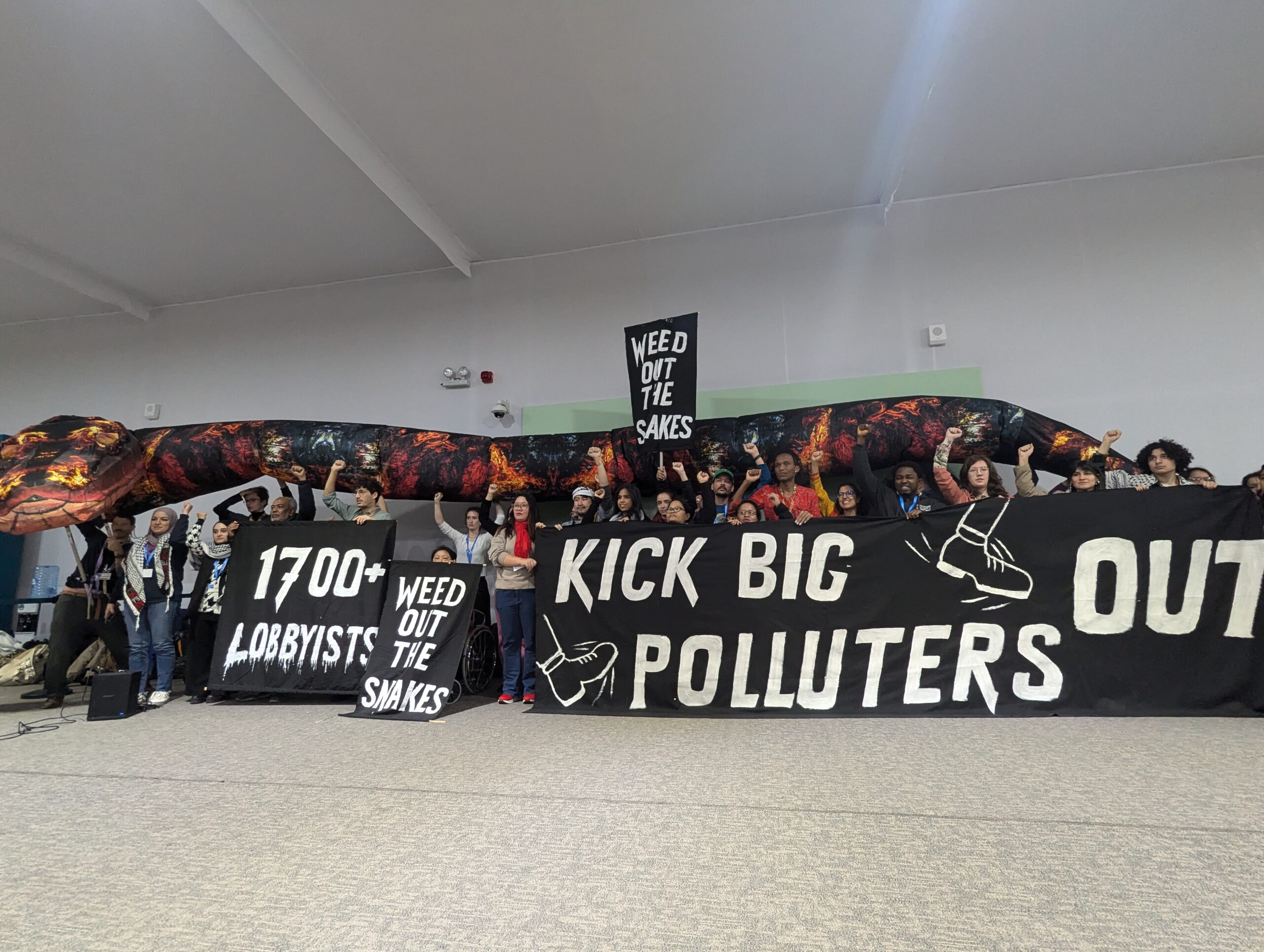
Fourth, in improving the effectiveness of the process, safeguarding its integrity, and strengthening climate governance, we ask that Parties take steps to address conflicts of interest and advance an Accountability Framework.
We cannot deny the importance of discussions on efficiency and observer participation and that the implications of decisions in AIM are beyond the agenda items, there needs to be a space to take this into account. We urge Parties to consider how to move from discussions on efficiency towards real progress on effectiveness and reform. To realize this, more will be needed.